
Understanding the psychology of gambling insights from Pilot Chicken game
The Thrill of Risk and Reward
The Pilot Chicken game exemplifies the psychological dynamics of risk and reward in gambling. Players are drawn to the thrill of potentially high payouts, which can create a rush of excitement and anticipation. This adrenaline rush is a significant factor in why individuals engage in gambling activities. Additionally, the game allows players to multiply their potential winnings significantly; for those interested, Pilot Chicken casino offers a unique opportunity to experience this blend of thrill and strategy.

Moreover, the adjustable difficulty levels in the Pilot Chicken game enable players to control their exposure to risk. This flexibility caters to varying psychological profiles—some players prefer the adrenaline of high-stakes scenarios, while others may feel more comfortable with lower risks. This customization not only enhances player engagement but also deepens the psychological investment in the game.
The Role of Strategy and Control
An essential aspect of gambling psychology is the illusion of control. In games like Pilot Chicken, players may feel empowered by their ability to make strategic choices that influence the outcome. This perception can lead to a false sense of mastery, making them more likely to continue playing, even when the odds are against them. By adjusting their risk levels and timing, players believe they can control their fate, which is a compelling motivator.
Additionally, the strategic components of the game encourage players to analyze outcomes, which can be both thrilling and intellectually stimulating. This cognitive engagement keeps players returning, as they seek to refine their strategies and improve their chances of winning. The balance of thrill and strategy in gambling reinforces the psychological allure of games like Pilot Chicken.
The Social Dynamics of Gambling
Gambling is not solely an individual endeavor; it often involves social interactions that can impact player psychology. The Pilot Chicken game, with its vibrant airport theme, creates an engaging atmosphere where players can share experiences and strategies. This social aspect can amplify the enjoyment and excitement, fostering a sense of community among participants.
Moreover, social interactions can influence gambling behavior significantly. Players may feel compelled to perform better due to peer pressure or the desire to impress others. This dynamic can lead to increased betting and risky behavior, as players strive to maintain social standing within their gaming circles. Understanding these social implications is crucial for comprehending the broader psychological factors at play in gambling environments.
The Impact of Visual Stimuli
The visual design of gambling games plays a crucial role in shaping player psychology. Pilot Chicken incorporates engaging graphics and vibrant colors that not only capture attention but also enhance the overall gaming experience. These visual elements can create an immersive environment, making players more likely to lose track of time and money as they become absorbed in the gameplay.
Additionally, the use of rewards and incentives in the game further stimulates players’ senses. Flashy animations and celebratory sounds upon winning can reinforce positive feelings, making players more eager to continue playing. This combination of visual and auditory stimuli heightens excitement and can lead to repeated gambling behavior, underscoring the psychological impact of design in gaming experiences.
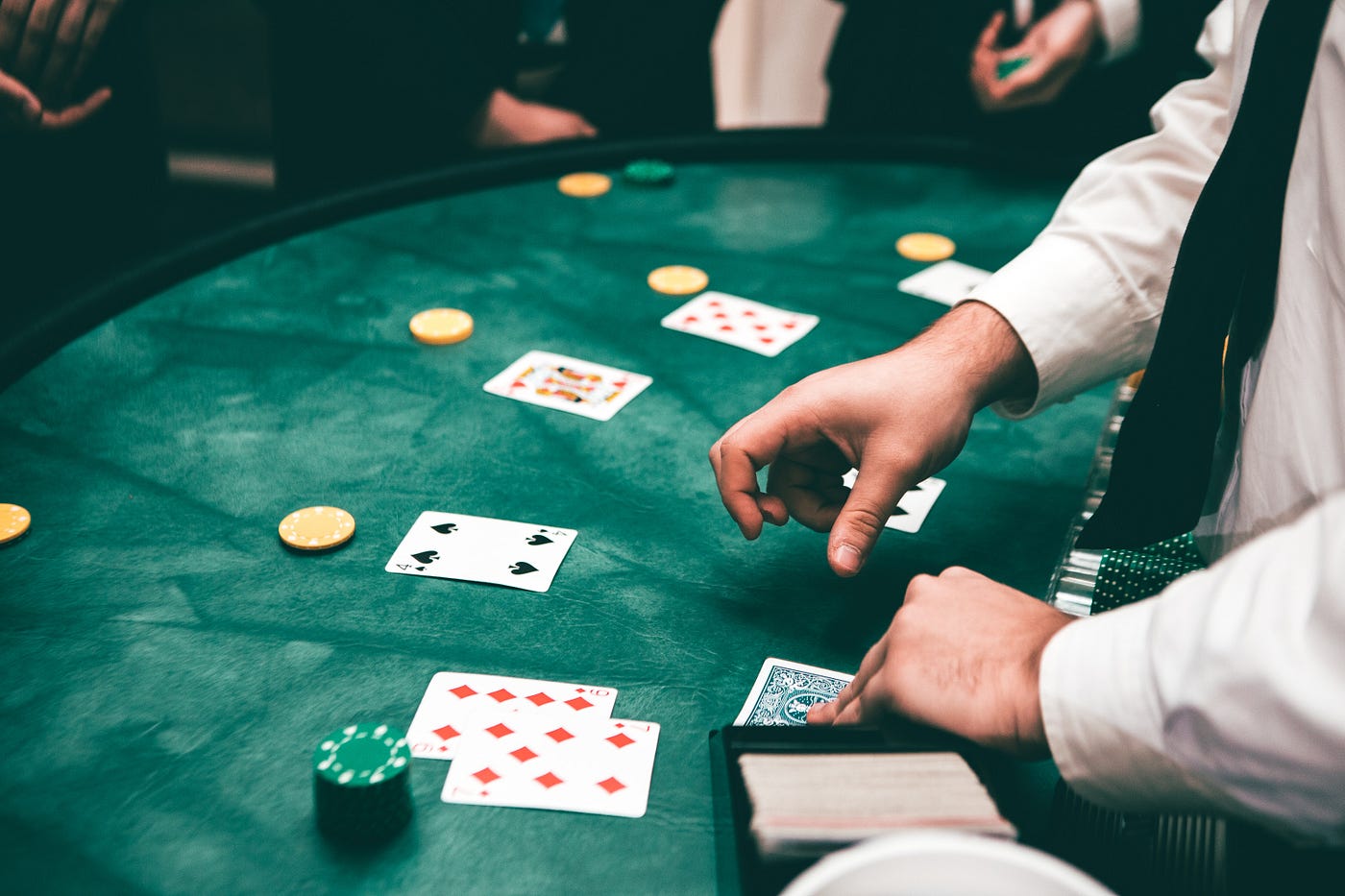
Exploring Gambling Behavior through Pilot Chicken
Understanding the psychology of gambling through games like Pilot Chicken provides valuable insights into player behavior and motivations. The blend of risk, strategy, and social interaction creates a complex landscape that can influence decisions and increase engagement. As players navigate this dynamic environment, they may experience a range of emotions, from exhilaration to frustration, all of which contribute to their overall gaming experience.
Furthermore, analyzing these psychological factors can help developers create more engaging and responsible gaming environments. By focusing on player experiences and the underlying motivations, the gaming industry can better understand the balance between entertainment and potential risks associated with gambling. Through games like Pilot Chicken, we gain a clearer perspective on the intricate relationship between psychology and gambling.